

Low-Voltage Landscape Lighting: Benefits, Design & Installation
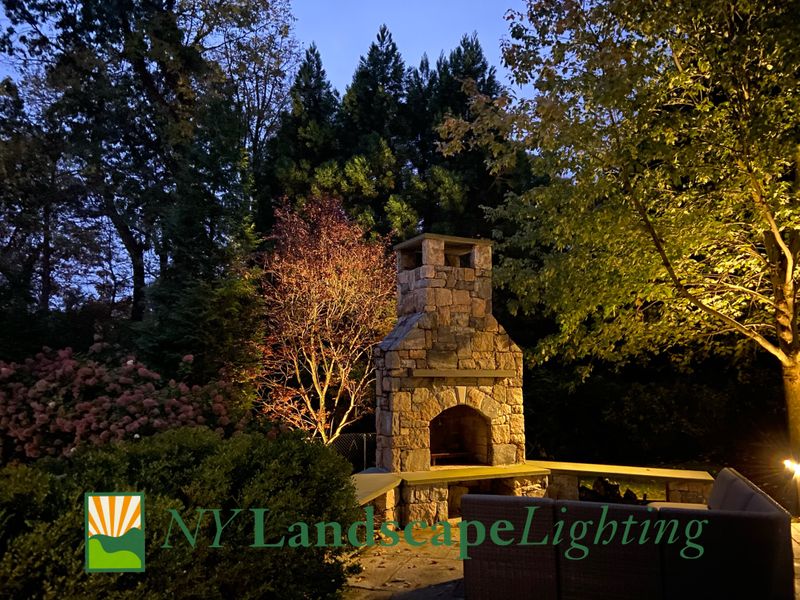
Your home can look just as beautiful at night as it does during the day. The right outdoor lighting highlights your home’s best features, brightens walkways, and makes your backyard more inviting after sunset.
Low-voltage landscape lighting is a popular choice for homeowners because it offers flexible design options and works well with energy-efficient LED fixtures. From illuminating your front entrance to highlighting trees and garden beds, a well-planned lighting system can enhance your property’s appearance and usability.
In this guide, you’ll learn how low-voltage landscape lighting works, its benefits, and what to consider when planning an outdoor lighting system.
SEE ALSO: The Essentials of an Ideal Landscape Lighting Design
What Is Low-Voltage Landscape Lighting?
Low-voltage landscape lighting is an outdoor lighting system that uses a transformer to reduce standard household voltage to a lower voltage, commonly 12 volts, for compatible fixtures.
A typical system includes three main components:
Transformer: Reduces household voltage to the level required by the lighting system.
Wiring: Carries power from the transformer to the fixtures.
Light fixtures: Illuminate walkways, trees, gardens, and other outdoor features.
Many systems use LED lights because they provide energy-efficient illumination and are available in different styles to suit your property.
How Does Low-Voltage Landscape Lighting Work?
The process is straightforward. A transformer supplies power to outdoor fixtures through a connected wiring system. The lights are positioned around your property to illuminate selected areas and features.
Because low-voltage lighting allows flexibility in fixture placement, it can be used for everything from pathway lighting to highlighting architectural details.
Proper planning is important. The transformer, wiring, and fixtures must be suitable for the system and the outdoor conditions.
What Are the Benefits of Low-Voltage Landscape Lighting?
Low-voltage landscape lighting can improve the appearance of your home while making outdoor spaces more useful after dark.
Here are six reasons homeowners choose it.
1. Make Your Home Look More Beautiful at Night
Your home’s exterior may have beautiful stonework, columns, trees, or landscaping that becomes difficult to see after sunset.
Landscape lighting helps bring these features into view.
For example, lights placed near the base of a tree can highlight its shape, while carefully positioned fixtures can show off the texture of a stone wall or the details around your front entrance.
The goal isn’t to light up everything. It’s to highlight the features that make your property special.
2. Brighten Walkways, Steps, and Driveways
Walking around your property at night can be difficult when paths, steps, and changes in elevation are hard to see.
Pathway lights and other carefully placed fixtures can make these areas easier to navigate.
You might install lights along a garden path, near your front steps, or around the edges of your driveway.
Proper placement is important. Lights should help you see where you’re going without shining directly into your eyes or creating harsh glare.
3. Make Your Backyard More Enjoyable
Your patio or backyard doesn’t have to disappear into the darkness when the sun goes down.
Outdoor lighting can make it easier to enjoy dinner on the patio, entertain guests, or relax outside in the evening.
For example, soft lighting around a seating area can create a comfortable atmosphere, while separate lights can brighten steps and walkways nearby.
With the right combination of fixtures, your outdoor spaces can feel welcoming without being overly bright.
4. Show Off Trees, Gardens, and Other Landscape Features
Trees and gardens can look completely different when they’re illuminated at night.
Different lighting techniques create different effects:
Uplighting: Places light near the ground and directs it upward to highlight trees, plants, or walls.
Downlighting: Places a light above an area to shine light downward.
Moonlighting: Uses lights positioned high in trees to create a soft glow beneath the branches.
Accent lighting: Highlights specific features, such as a garden sculpture, flower bed, or attractive plant.
Architectural lighting: Highlights details on your home’s exterior, such as stonework, columns, and entryways.
You don’t need every type of lighting to create a beautiful result. A few well-placed fixtures can make a noticeable difference.
5. Use Less Electricity With LED Lights
LED lights are a popular choice for outdoor lighting because they generally use less electricity than comparable incandescent bulbs.
They can also last a long time, which may mean fewer bulb replacements over the years.
Your actual energy use depends on how many lights you install, their wattage, and how long you leave them on each night.
Choosing the right fixtures and avoiding unnecessary lighting can help keep energy use under control.
6. Make Your Lighting Easier to Manage
You don’t necessarily need to turn your outdoor lights on and off manually every evening.
Depending on the system you choose, you can add controls that make operation more convenient.
For example:
Timers turn your lights on and off according to a schedule.
Photocells respond to changing daylight and darkness.
Smart controls let you manage compatible lighting systems through supported devices.
Separate lighting zones allow different areas to be controlled independently.
These features make it easier to manage your outdoor lighting according to your routine.
Is Low-Voltage Landscape Lighting Right for Your Home?
Low-voltage landscape lighting works well for many properties, whether you want to brighten a front walkway, highlight your landscaping, or create a more inviting backyard.
The best design depends on your property’s layout, the features you want to highlight, and how you use your outdoor spaces. If your existing system has dim lights, outdated fixtures, or limited controls, learn when to upgrade your low-voltage lighting system. A professional can help determine the right fixture placement, lighting levels, and equipment for your needs.
Professional Landscape Lighting Installation
A well-designed lighting system does more than add fixtures around your property. It balances brightness, placement, and coverage to create an attractive and functional outdoor environment.
NY Landscape Lighting provides professional landscape lighting design and installation for residential and commercial properties in Westchester County, NY, and Fairfield County, CT.
Since 2005, the company has helped property owners enhance their outdoor spaces with lighting designed around their homes, landscaping, and individual needs.
Whether you want to illuminate your entrance, highlight trees, or improve the appearance of your entire property, professional planning can help you achieve the right result.
Ready to Improve Your Outdoor Lighting?
Make your property more inviting after dark with a landscape lighting design tailored to your space.
Contact NY Landscape Lighting to discuss your project and schedule a consultation.
Questions? Call us at +1 914-962-2095
FAQs
Does LED landscape lighting use less electricity?
Generally, yes. LED fixtures use less electricity than comparable traditional lighting and often last longer.
Can low-voltage landscape lighting stay outside year-round?
Yes, when the system uses fixtures and components rated for the outdoor conditions and is installed correctly. Regular maintenance can help keep it working properly.
Can landscape lighting turn on automatically?
Yes. Timers, photocells, and compatible smart controls can automate when your outdoor lights turn on and off.
Should I hire a professional to install landscape lighting?
A professional can help plan fixture placement, select suitable equipment, and install the system correctly. This is especially helpful when lighting several areas of a property.